Best Irresistible Garlic Shrimp Pasta Recipe That Tastes Like a Restaurant Order (35 Min)
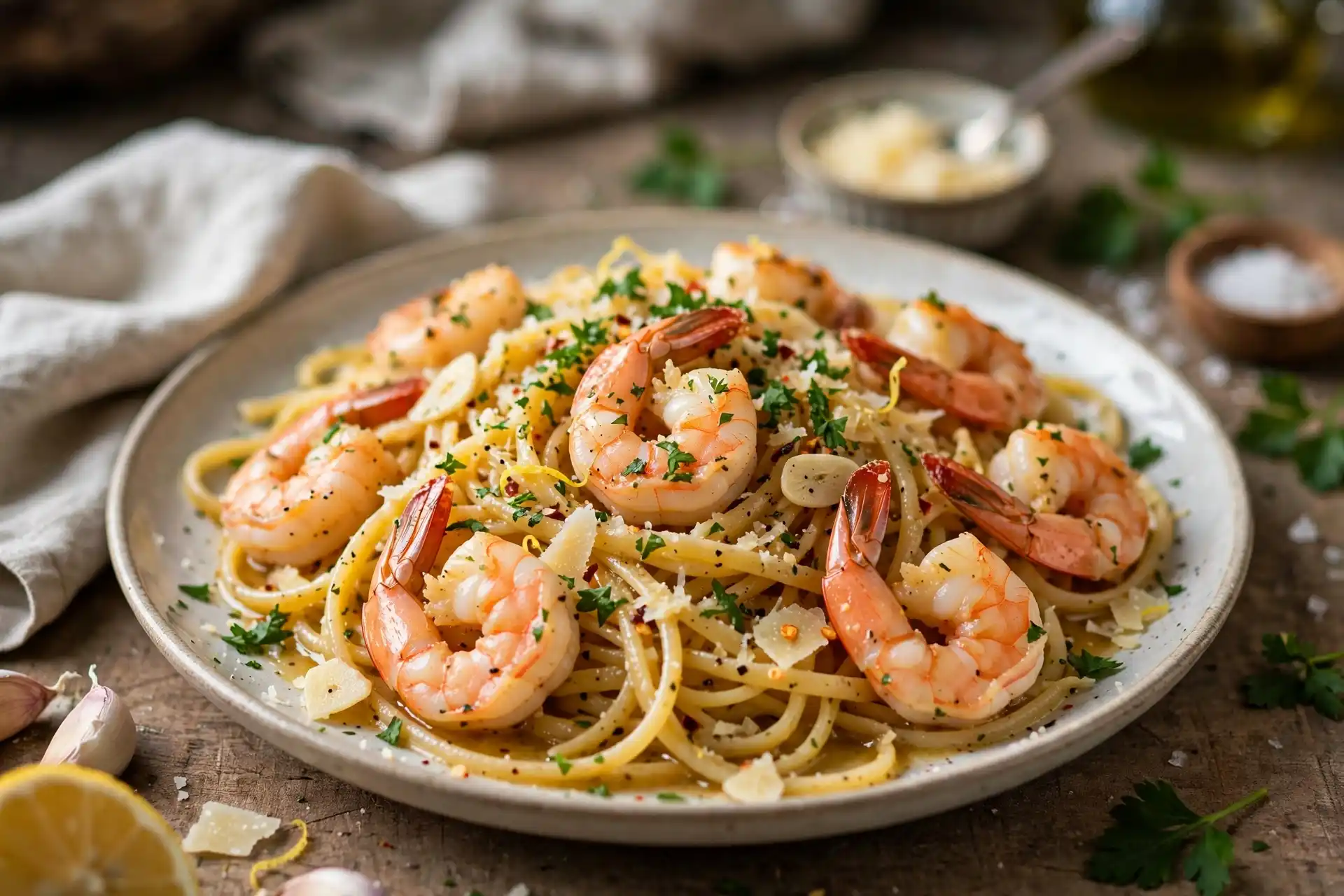
This shrimp pasta recipe is what I make when I want something that feels like a restaurant order but comes together faster than delivery would even arrive. Garlic, butter, a splash of white wine, and a squeeze of lemon turn plain shrimp and pasta into something worth setting the table for.
The part that makes the biggest difference is timing the shrimp carefully. Cooked just until pink and curled, they stay tender instead of turning rubbery, which is the one thing that can make or break this whole dish.
Why You’ll Love This Shrimp Pasta Recipe
This shrimp pasta recipe earns a spot in a regular dinner rotation for a few reasons.
- Ready in about 35 minutes. Faster than most takeout, with no special equipment needed.
- A bright, garlicky sauce. Butter, garlic, white wine, and lemon come together into something genuinely restaurant-quality.
- Quick-cooking protein. Shrimp cooks in just a few minutes, so there’s no long simmer to plan around.
- Easy to dress up or down. Add red pepper flakes for heat, or keep it mild for picky eaters.
- Great for using up pantry pasta. Works with whatever long pasta shape you already have on hand.
Recipe Snapshot
- Servings: 4 servings
- Difficulty: Easy
- Cuisine/Course: Italian-American, Main Dish
- Prep Time: 15 minutes
- Cook Time: 20 minutes
- Total Time: 35 minutes
What makes shrimp pasta taste restaurant-quality at home? This shrimp pasta recipe gets its restaurant-style flavor from building a garlic butter and white wine pan sauce right after searing the shrimp, then tossing the pasta directly in that sauce so every strand picks up the same bright, garlicky flavor.
Ingredients of Shrimp Pasta
For the Pasta and Shrimp
- 12 oz (340 g) linguine or spaghetti
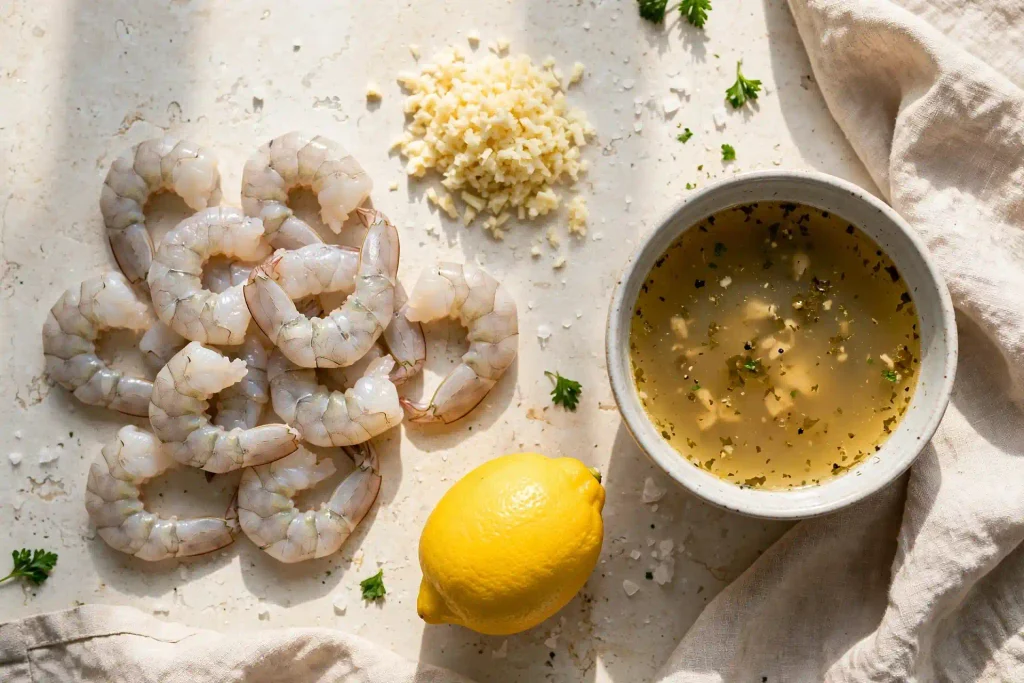
- 1 lb (450 g) large shrimp, peeled and deveined, tails removed
- 1/2 tsp salt, plus more to taste
- 1/4 tsp black pepper
- 2 tbsp olive oil
For the Sauce
- 4 tbsp (55 g) unsalted butter, divided
- 5 garlic cloves, minced
- 1/4 cup (60 ml) dry white wine (adds brightness; substitute with an extra 1/4 cup chicken broth plus a small squeeze of extra lemon for an alcohol-free version)
- 1/4 cup (60 ml) reserved pasta water, plus more as needed
- 3 tbsp fresh lemon juice
- 1/4 tsp red pepper flakes, optional
- 1/4 cup (10 g) fresh parsley, chopped
- 1/4 cup (25 g) grated Parmesan cheese, plus more for serving
Recipe Timing
- Prep Time: 15 minutes
- Cook Time: 20 minutes
- Rest Time: none required
- Total Time: 35 minutes
Before You Start
- Bring a large pot of salted water to a boil for the pasta before you start the shrimp, so both finish around the same time.
- Pat the shrimp dry with a paper towel before cooking, since excess moisture keeps them from searing properly.
- Mince the garlic and measure out the wine, lemon juice, and parsley ahead of time, since this dish moves quickly once the shrimp hits the pan.
How to Make Shrimp Pasta
Cooking the Pasta
- Cook the linguine in the boiling salted water until al dente, according to the package directions.
- Before draining, reserve 1/2 cup of the pasta water, then drain the pasta.
Searing the Shrimp
- Season the shrimp with salt and pepper. Heat the olive oil in a large skillet over medium-high heat.
- Add the shrimp in a single layer and cook for 1 to 2 minutes per side, until they turn pink and opaque and curl into a loose C shape. Transfer to a plate.
Food safety note: shrimp are fully cooked once they turn opaque and reach an internal temperature of 145°F (63°C); a shrimp that curls into a tight O shape is a sign of overcooking. Wash your hands and any surfaces that touched the raw shrimp with hot soapy water before they touch other ingredients.
Why this works: searing the shrimp quickly over high heat and pulling them out before building the sauce keeps them from overcooking later, since they’ll go back in only briefly at the end to warm through.
Building the Sauce
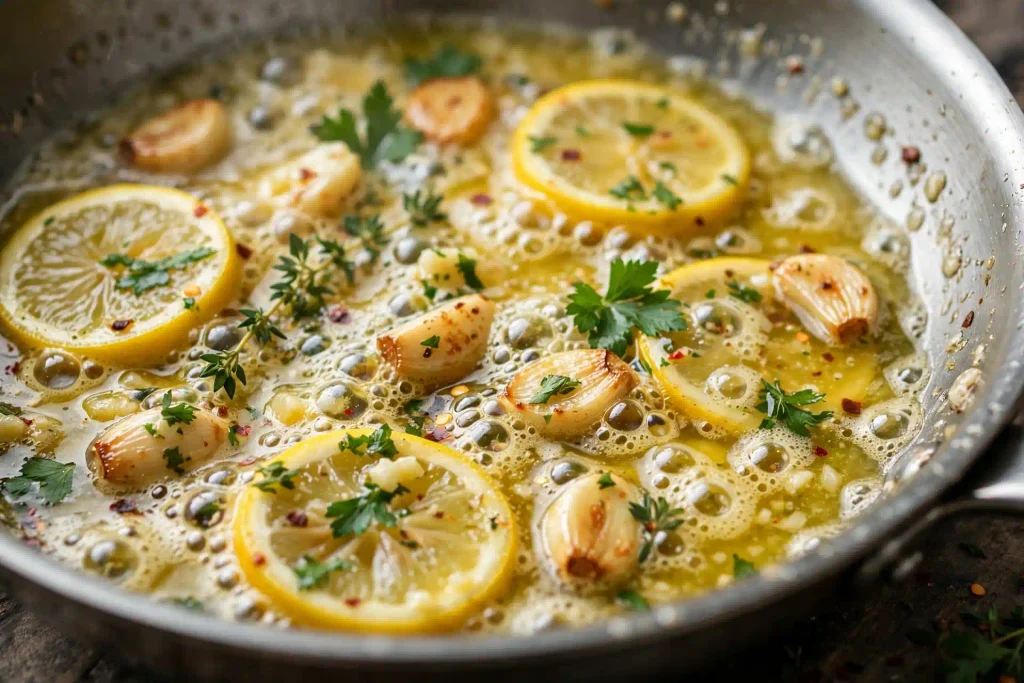
- Reduce the heat to medium. Melt 2 tablespoons of the butter in the same skillet, then add the garlic and cook for 30 seconds, just until fragrant.
- Pour in the white wine and simmer for 1 to 2 minutes, scraping up any browned bits from the bottom of the pan.
- Add the reserved pasta water, lemon juice, and red pepper flakes, if using. Simmer for 2 minutes, until the sauce reduces slightly.
- Remove the pan from the heat and stir in the remaining 2 tablespoons of butter until melted and glossy. Why this works: finishing the sauce off the heat with cold butter keeps it from separating, giving the sauce a silky texture instead of a greasy one.
Combining
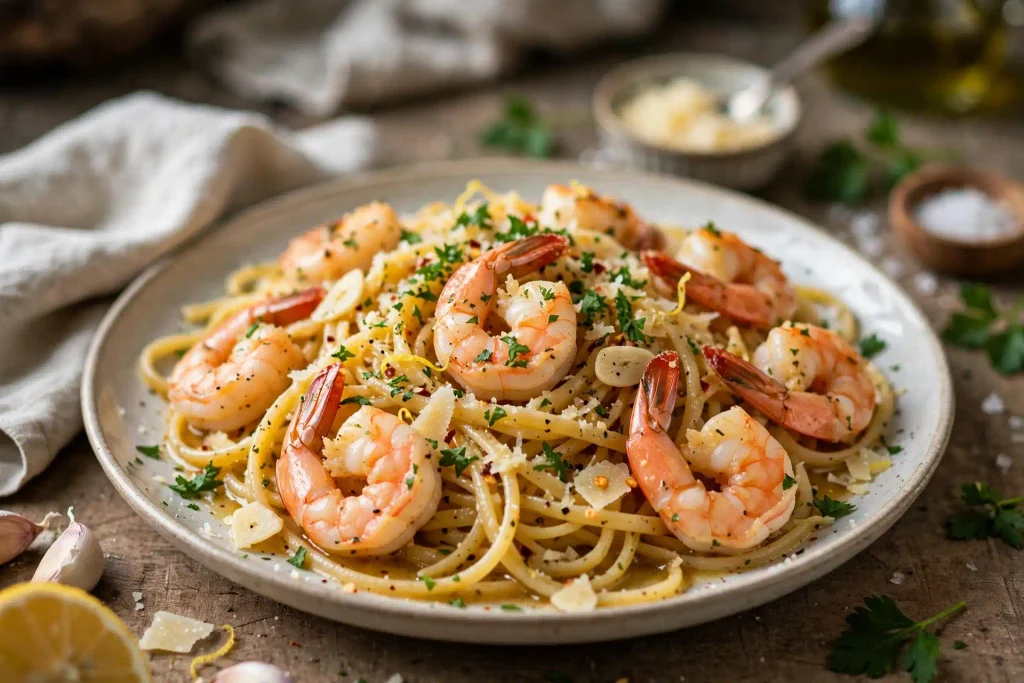
- Add the drained pasta and cooked shrimp back into the skillet, tossing to coat everything in the sauce.
- Stir in the parsley and Parmesan, tossing until combined. If the sauce looks dry, add a splash more reserved pasta water.
💡 Quick Tip: Toss the pasta directly in the skillet rather than plating it separately, so every strand gets coated in the garlicky sauce instead of just the top layer.
Serving
- Serve immediately, topped with extra Parmesan and a few more red pepper flakes if you like it spicier.
Common Mistakes and Troubleshooting
Problem: The shrimp turn out rubbery. Why: They were cooked too long, either during the initial sear or after being added back to the sauce. Fix: Pull the shrimp as soon as they turn pink and curl into a loose C shape, and only warm them through briefly at the end.
Problem: The sauce tastes greasy instead of silky. Why: The butter was melted over heat that was too high, or added all at once without the pasta water to help it emulsify. Fix: Finish the sauce off the heat, and make sure the pasta water is incorporated before the final butter goes in.
Problem: The dish turns out dry. Why: Not enough pasta water was reserved, or the pasta sat too long before being tossed with the sauce. Fix: Reserve a full 1/2 cup of pasta water, and toss the pasta with the sauce as soon as both are ready.
Variations and Substitutions
- Cajun version: Season the shrimp with a Cajun spice blend instead of salt and pepper for a smokier, spicier take; my easy Cajun chicken pasta recipe uses a similar spice profile if you want inspiration for the blend.
- Creamy version: Stir in 1/4 cup of heavy cream along with the butter at the end for a richer, creamier sauce.
- No wine version: Use the chicken broth and extra lemon substitute listed in the ingredients.
- Extra vegetables: Add a handful of cherry tomatoes or baby spinach to the sauce during the last few minutes of cooking.
Allergen Information OF Shrimp Pasta
Contains: shellfish, dairy, and gluten.
- For a gluten-free version, use gluten-free pasta.
- For a dairy-free version, substitute the butter with a plant-based alternative and omit the Parmesan, or use a dairy-free alternative.
- This recipe is not suitable for a shellfish allergy as written, since shrimp is the primary protein. This information reflects the recipe as written and does not guarantee safety for your specific dietary needs or kitchen environment.
What to Serve With Shrimp Pasta
- A simple green salad with a light vinaigrette
- Garlic bread for soaking up extra sauce
- Steamed asparagus or broccolini
- Sparkling water with a squeeze of lemon, which echoes the bright flavors in the sauce
Storage, Reheating, and Make-Ahead
- Refrigerator: Store in an airtight container for up to 2 days. Shrimp pasta is best eaten fresh, since the texture of the shrimp changes the longer it sits.
- Reheating: Warm gently in a skillet over low heat with a splash of water or broth, just until heated through. Avoid high heat, which can make the shrimp rubbery.
- Freezing: Not recommended, since both the pasta and the shrimp lose their texture significantly once thawed.
- Make-ahead: The shrimp can be peeled and deveined a day ahead and stored in the fridge, but the dish itself is best cooked and served fresh.
Nutrition Information (Per Serving, Based on 4 Servings)
- Calories: 480
- Protein: 29 g
- Carbohydrates: 52 g
- Fat: 17 g
- Fiber: 2 g
- Sugar: 2 g
- Sodium: 620 mg
Values are approximate and may vary based on exact ingredients and brands used.
Frequently Asked Questions
Can I make shrimp pasta ahead of time? Not really, this dish is best served fresh, since shrimp can turn rubbery when reheated. You can peel and devein the shrimp a day ahead to save a little prep time.
Why did my shrimp turn out rubbery? This almost always means they were overcooked. Pull them from the heat as soon as they turn pink and opaque and curl into a loose C shape, not a tight O.
Can I use frozen shrimp? Yes, thaw frozen shrimp in the refrigerator overnight or in a bowl of cold water for about 20 minutes, and pat them dry well before cooking.
How do I know when shrimp are fully cooked? They should look opaque and pink all the way through, reaching an internal temperature of 145°F (63°C), with a loose C-shaped curl.
Can I make this dish without wine? Yes, substitute the wine with extra chicken broth and a bit more lemon juice for brightness.
Is shrimp pasta safe for someone with a shellfish allergy? No, this recipe isn’t suitable for a shellfish allergy as written, since shrimp is the main protein with no substitute that would keep the dish’s character the same.
If you make this one, I’d love to hear how it turned out. Leaving a star rating or a quick comment below genuinely helps other home cooks find this recipe.
Final Thoughts
This shrimp pasta recipe shows how a few simple ingredients, garlic, butter, wine, and lemon, can turn into a sauce that tastes far more impressive than the effort it actually takes. Once you’ve got the timing on the shrimp down, it’s a dinner you can pull together on a weeknight without thinking twice.
Best Irresistible Garlic Shrimp Pasta Recipe That Tastes Like a Restaurant Order (35 Min)
Ingredients
Method
- Cooking the Pasta
- Cook linguine until al dente; reserve 1/2 cup pasta water before draining.
- Searing the Shrimp 2. Season shrimp with salt and pepper; sear in olive oil 1 to 2 minutes per side until pink and opaque. Set aside.
- Building the Sauce 3. Melt 2 tbsp butter, add garlic, cook 30 seconds. 4. Add wine, simmer 1 to 2 minutes. 5. Add pasta water, lemon juice, and red pepper flakes; simmer 2 minutes. 6. Off heat, stir in remaining 2 tbsp butter until glossy.
- Combining 7. Toss pasta and shrimp in the sauce. 8. Stir in parsley and Parmesan.
- Serving 9. Serve immediately with extra Parmesan.
- Nutrition (per serving): Calories: 480 | Protein: 29 g | Carbohydrates: 52 g | Fat: 17 g | Fiber: 2 g | Sugar: 2 g | Sodium: 620 mg